New Zealand Elects to Bowl First as Strategy Plays Out in Rajkot
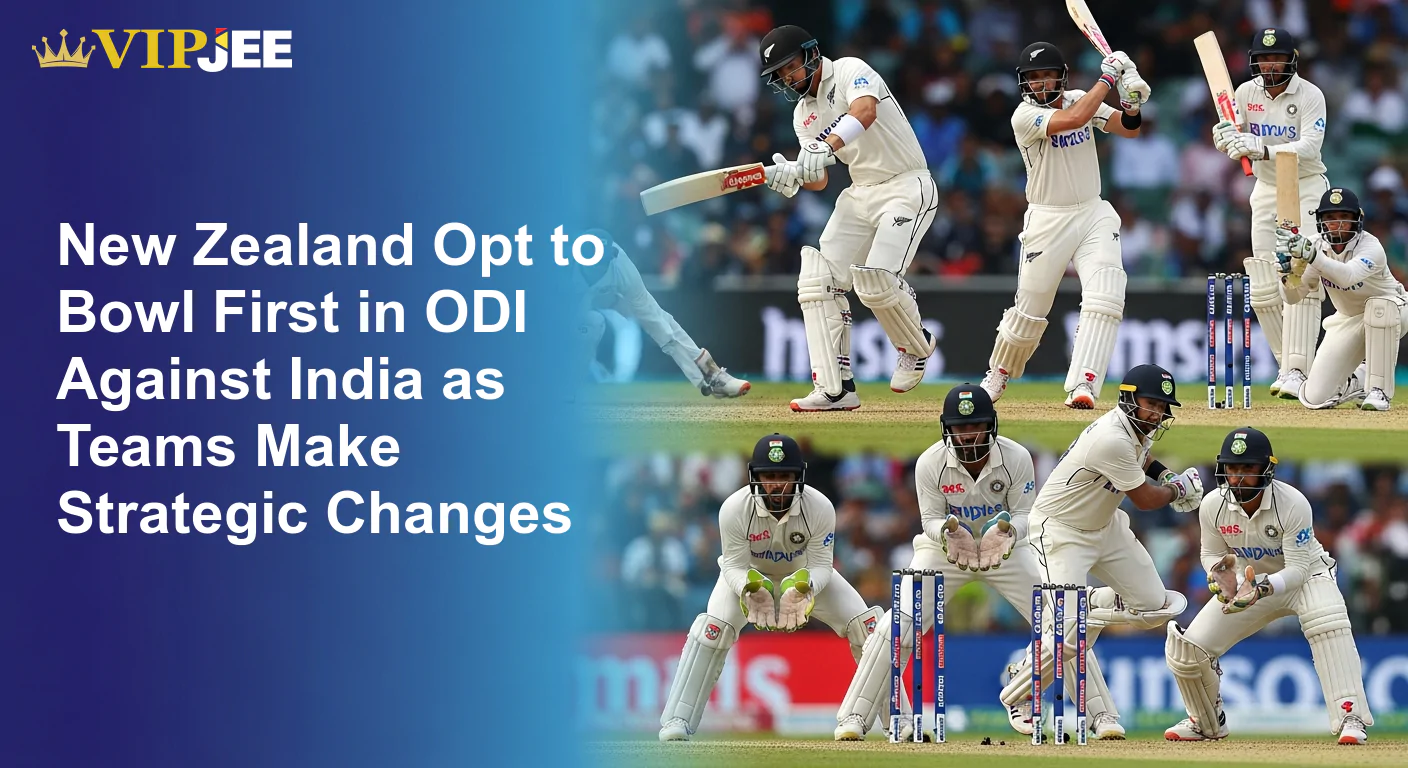
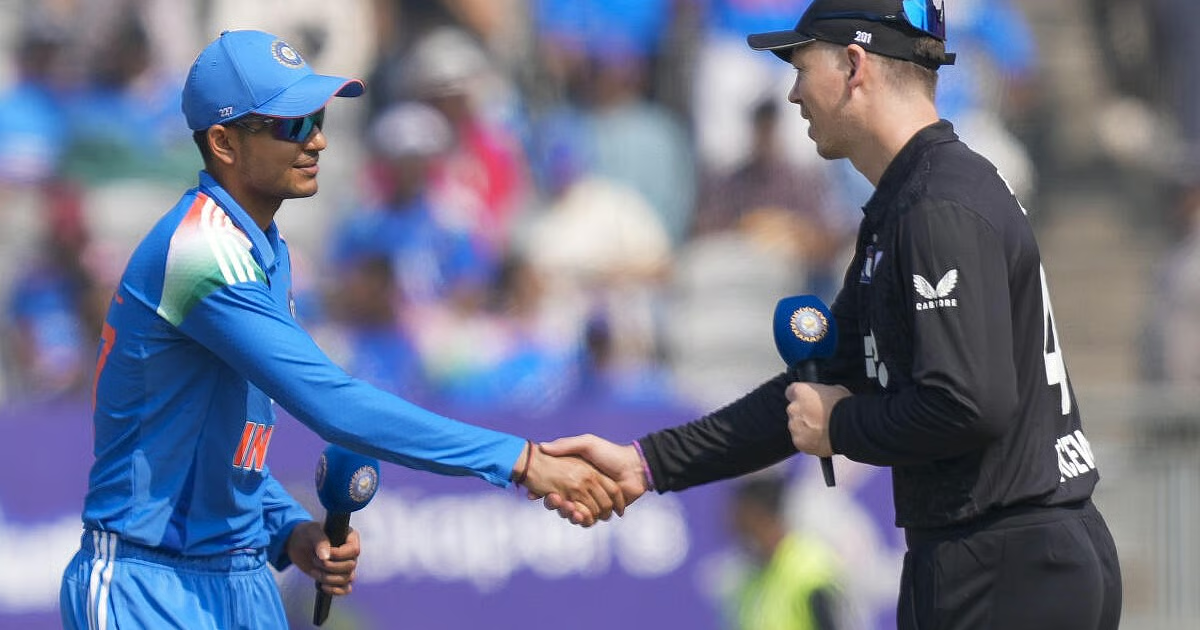
In the second ODI, New Zealand vs India held in Rajkot, New Zealand’s captain, Michael Bracewell, made a significant decision to bowl first after winning the toss. This move came amidst a backdrop of India’s attempts to break a losing streak of toss outcomes, with the New Zealand captain aiming to leverage possible evening dew to assist the team’s performance in chasing a total.
Strategic Team Adjustments for Both Sides
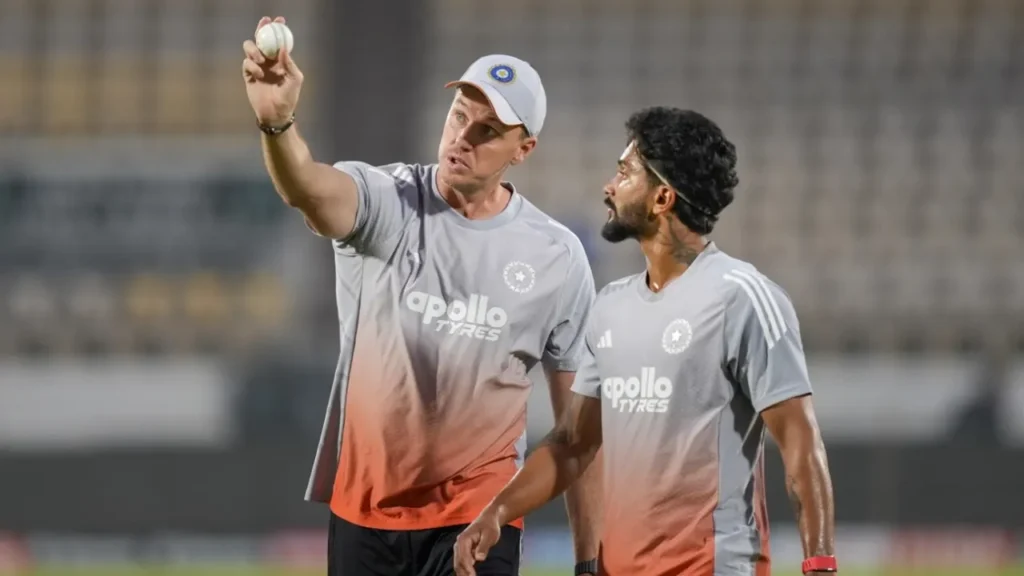
India made a key change to their lineup due to an injury suffered by all-rounder Washington Sundar. Nitish Kumar Reddy, a promising all-rounder already present in the squad, was chosen to step up, indicating a pitch that might not favor slower bowlers extensively. Arshdeep Singh continued to remain on the sidelines, highlighting the team’s current strategic priorities.
On the other side, New Zealand adjusted their team configuration by introducing Jayden Lennox, a debutant left-arm spinner taking the spot of Adithya Ashok. Lennox is noted for his effective economy in List A cricket, maintaining just over four runs per over with a typical wicket-taking rate of 1.25 wickets per match, portraying the tactical depth New Zealand aims to explore.
Venue and Pitch Conditions Considered in Team Decisions
Shubman Gill, leading the Indian side, expressed confidence in his decision to bat first despite the toss outcome, based on observations during training sessions that revealed minimal dew presence. Additionally, the team’s analysis suggested a potentially slowing pitch in later stages, further reinforcing the rationale behind the batting-first strategy.
Updated Team Compositions for Both Squads
- India’s playing XI includes Shubman Gill (captain), Rohit Sharma, Virat Kohli, Shreyas Iyer, KL Rahul (wicketkeeper), Ravindra Jadeja, Nitish Kumar Reddy, Harshit Rana, Kuldeep Yadav, Mohammed Siraj, and Prasidh Krishna.
- New Zealand’s squad is composed of Devon Conway, Henry Nicholls, Will Young, Daryl Mitchell, Glenn Phillips, Mitchell Hay (wicketkeeper), Michael Bracewell (captain), Zak Foulks, Kristian Clarke, Kyle Jamieson, and Jayden Lennox.
This ODI adds a fresh narrative to the ongoing cricketing tour with both teams strategically recalibrating in response to emerging conditions and player availability. The match outcome could potentially tip the scales in favor of whichever team adeptly adapts their strategies throughout play.
New Zealand vs India Tactical Context Shapes Second ODI Narrative
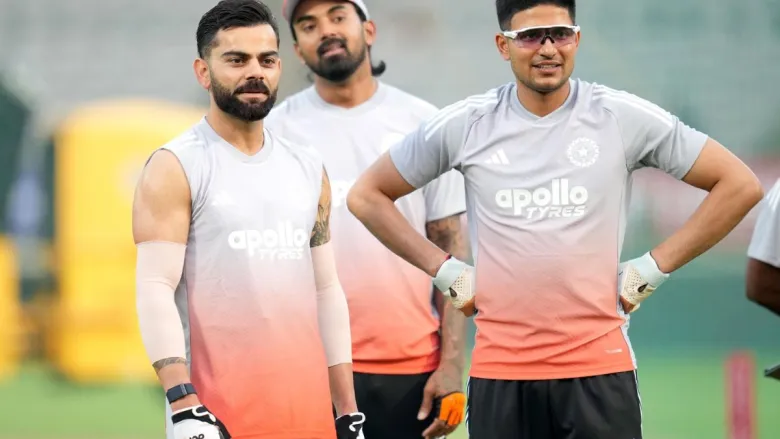
The New Zealand vs India contest in Rajkot carries added importance as both sides look to seize control of the ODI series. With conditions expected to evolve over the course of the match, the toss decision and subsequent team changes have already set the tone for a tightly contested encounter. For India, the focus remains on building consistency at home, while New Zealand continue to test their bench strength amid injuries and rotation.
The Rajkot surface has traditionally favored batters early on before slowing down, which makes adaptability a crucial factor. In this New Zealand vs India fixture, early momentum could dictate the overall direction of the game, especially with both teams featuring strong middle-order options.
New Zealand vs India Emphasis on Flexibility and Squad Depth
One of the defining themes of the New Zealand vs India series has been flexibility in selection. India’s decision to bring in Nitish Kumar Reddy underlines the team management’s willingness to reward all-round skills that provide balance across departments. Reddy’s ability to contribute with both bat and ball offers India an extra option should conditions demand variation.
For New Zealand vs India, Jayden Lennox’s inclusion highlights New Zealand’s proactive approach toward long-term planning. Giving opportunities to emerging players in high-pressure away conditions allows the visitors to test temperament while maintaining competitiveness. Lennox’s left-arm spin also introduces a different angle against India’s predominantly right-handed batting order.
New Zealand vs India Leadership Decisions Under the Spotlight
Leadership has been a major talking point in the New Zealand vs India ODI series. Shubman Gill’s calm approach as India’s captain continues to draw attention, particularly in how he communicates clarity around strategy despite toss outcomes not going his way. His emphasis on preparation over external factors reflects a mature leadership style well-suited to bilateral series.
On the opposite side, Michael Bracewell’s decision to bowl first in the New Zealand vs India clash reflects confidence in his bowling unit’s ability to exploit early conditions. His tactical awareness, especially in overseas conditions, has been instrumental in keeping New Zealand competitive despite frequent changes in personnel.
New Zealand vs India Injury Management and Player Rotation
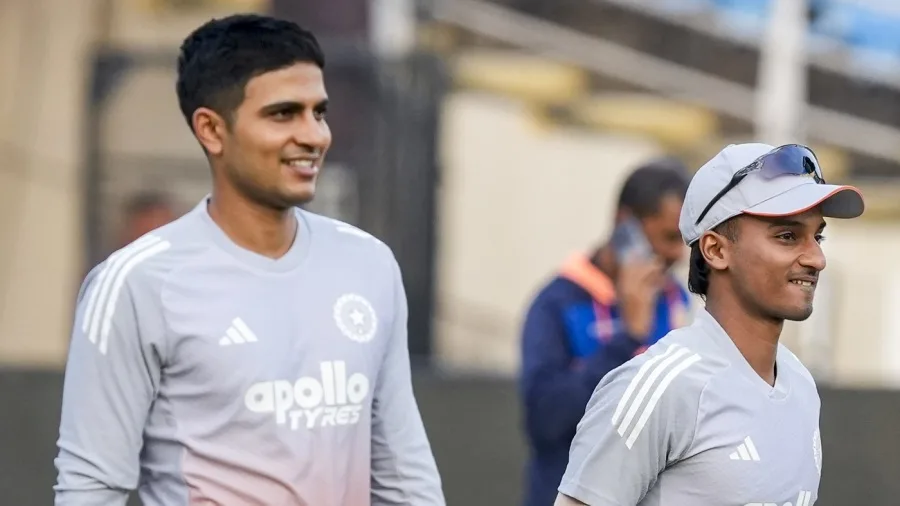
Injury management has played a subtle but critical role in shaping the New Zealand vs India matchup. Washington Sundar’s absence once again highlights the importance of depth in international squads, especially during packed schedules. India’s ability to seamlessly replace him without disrupting team balance speaks volumes about the system in place.
For New Zealand vs India, rotation remains equally important as the visitors manage workloads across formats. With several players transitioning between red-ball and white-ball commitments, these ODIs serve as a platform to assess readiness and form ahead of larger tournaments.
New Zealand vs India Pitch Reading and Match Progression
Pitch reading is expected to be decisive in the New Zealand vs India encounter. Early overs may provide assistance to seamers, but as the game progresses, stroke-making could become easier before the surface slows once again. Teams that read these transitions accurately are likely to gain a strategic edge.
India’s batting depth, featuring experienced names like Rohit Sharma and Virat Kohli alongside emerging talents, allows flexibility in pacing the innings. In the New Zealand vs India contest, partnerships through the middle overs could prove more valuable than explosive starts alone.
New Zealand vs India Bowlers’ Role in Middle Overs
The middle overs often define outcomes in New Zealand vs India ODIs, and both teams possess bowlers capable of controlling this phase. India will rely on Kuldeep Yadav and Ravindra Jadeja to apply pressure through spin, while New Zealand’s combination of pace and spin aims to disrupt rhythm and force errors.
Jayden Lennox’s role becomes particularly interesting in this context, as his economy-focused style could help New Zealand apply sustained pressure. For India, managing these overs without losing momentum remains a key objective.
New Zealand vs India Series Implications Moving Forward
Beyond the immediate result, the New Zealand vs India series carries broader implications for squad planning and leadership stability. Performances in matches like this influence selection debates and provide clarity ahead of future international assignments.
With both teams closely matched in skill and intent, the Rajkot ODI stands as another chapter in a competitive rivalry that continues to evolve. Adaptability, execution, and decision-making under pressure will ultimately determine who gains the upper hand.
As the New Zealand vs India contest unfolds, fans can expect a game shaped as much by strategy as by individual brilliance, reinforcing why this rivalry remains one of the most engaging in modern international cricket.
Casual fans might miss certain player dynamics, but VIPJEE’s analysis tends to uncover the less obvious match factors.
Visit ESPNcricinfo for comprehensive analysis and the latest developments from the match.