MCC Introduces New Rule: Last Over Will Not End on a Wicket

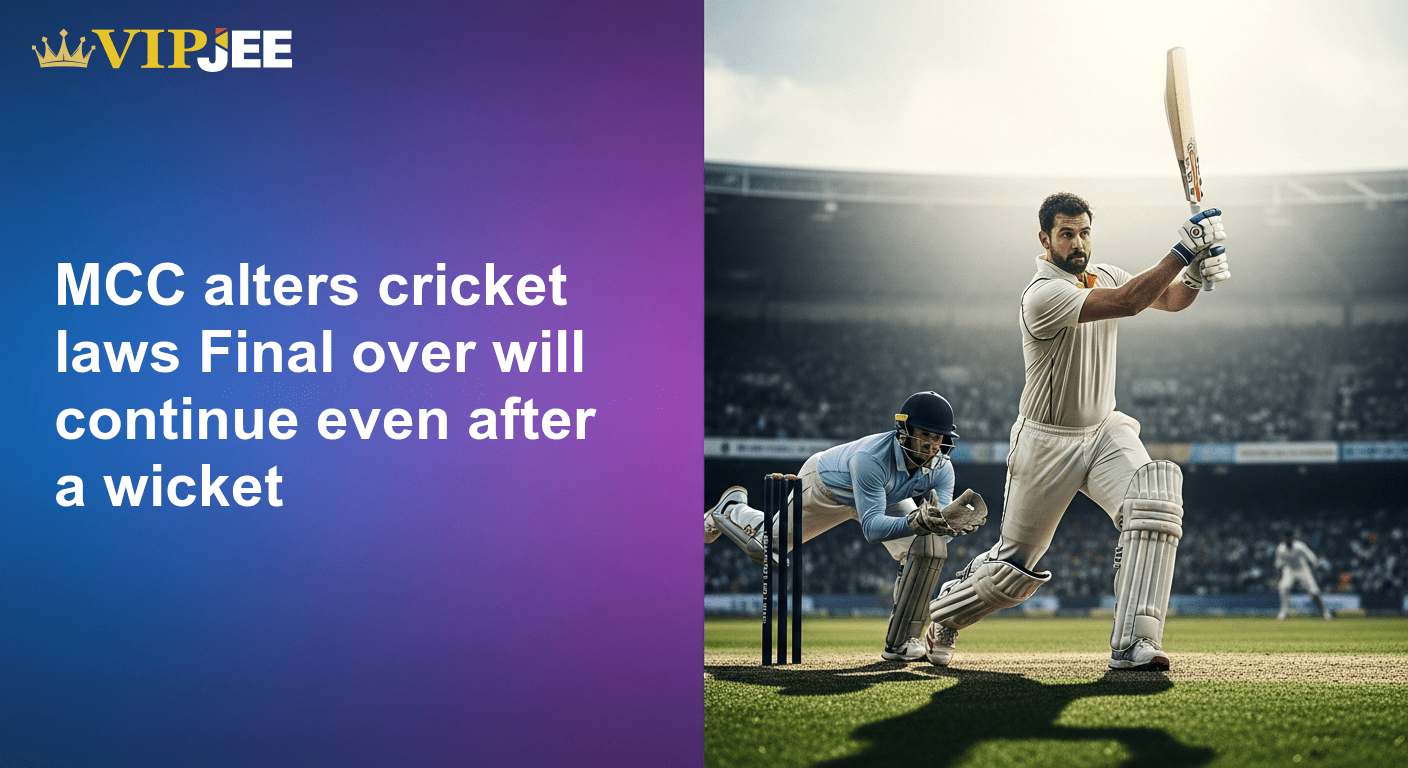
The Marylebone Cricket Club (MCC) has announced several amendments to the Laws of Cricket, one of the most significant being that a final over in multi-day matches, such as Test cricket, will now continue even if a wicket falls.
According to the MCC’s latest media release, this amendment is among 73 material changes aimed at updating the game’s laws, effective October 1, 2026. The modification requires the batting side to send in a new batter immediately after a wicket in the last over, thereby enhancing the match’s dramatic flair.
Enhancing Game Drama with Law Adjustments
The primary reason for this rule adjustment was the MCC’s recognition that concluding a day’s play upon a wicket disadvantaged the fielding side and removed potential game drama. “It was thought to be unfair if a fielding side takes a wicket with the day’s last over and the batting unit does not need to send a new batter,” the MCC clarified. The complete over must now be bowled irrespective of a wicket, fostering conditions that are typically more beneficial to bowlers.
Laminated Bats Now Approved for Adult Recreational Cricket
Additionally, the MCC has authorized the use of laminated bats in adult recreational cricket, having previously approved their use in junior cricket in 2017. This measure is intended to lower bat costs with no performance advantages over traditional willow bats, the MCC stated.
Clarifications in Hit Wicket and Overthrows
In other changes, the MCC clarified the ‘Hit Wicket’ law, specifying when a batsman can be deemed out as ‘Hit Wicket’ after receiving the ball, as well as the definitions surrounding overthrows, distinguishing them from misfields more distinctly.
Freedom for National Boards in Implementation
While the MCC has issued these changes, it has left national governing bodies free to decide how and if these rules will be incorporated into their domestic games. The International Cricket Council (ICC) will also evaluate these laws for international playing conditions at their next Cricket Committee meeting.
These revisions reflect cricket’s evolution and aim to make the laws more inclusive and applicable for every level of play globally, according to Fraser Stewart, the MCC’s Laws Manager.
Read more about MCC’s latest law changes on ESPNcricinfo
For updated news, visit VIPJEE!