IS Bindra: Architect of Indian Cricket Development Bids Farewell
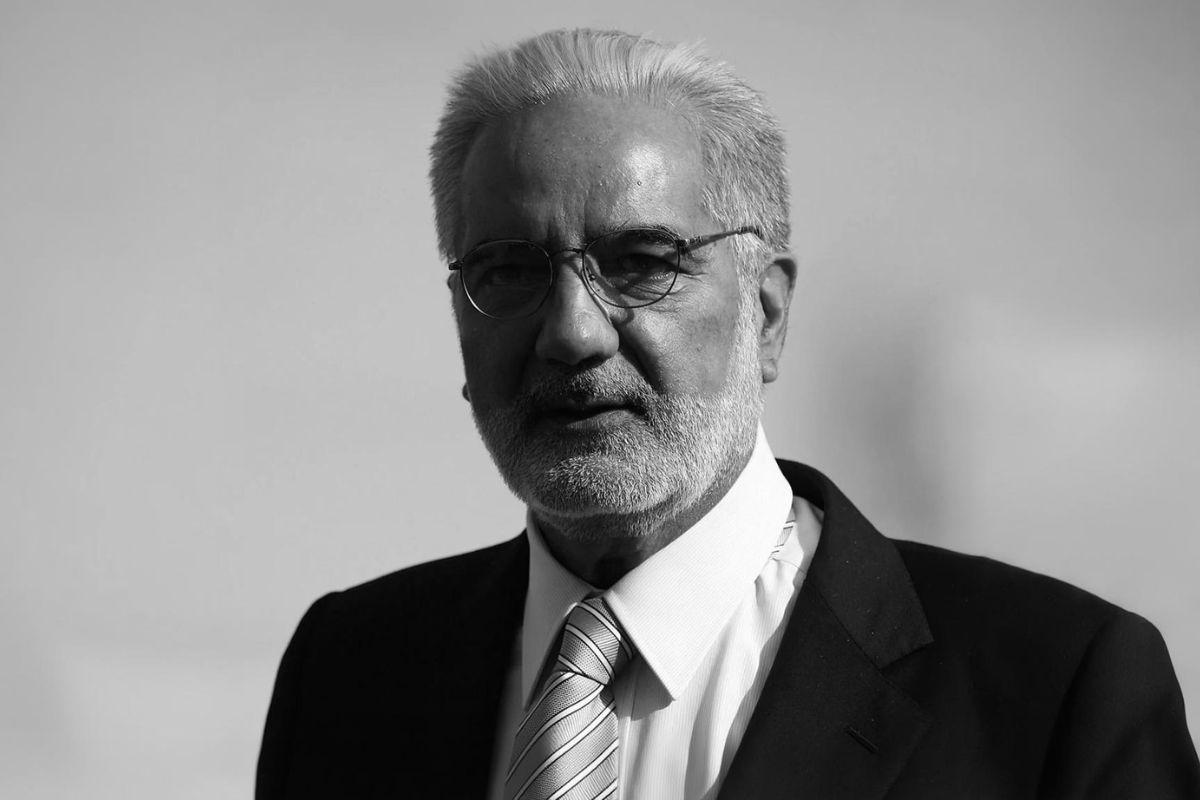
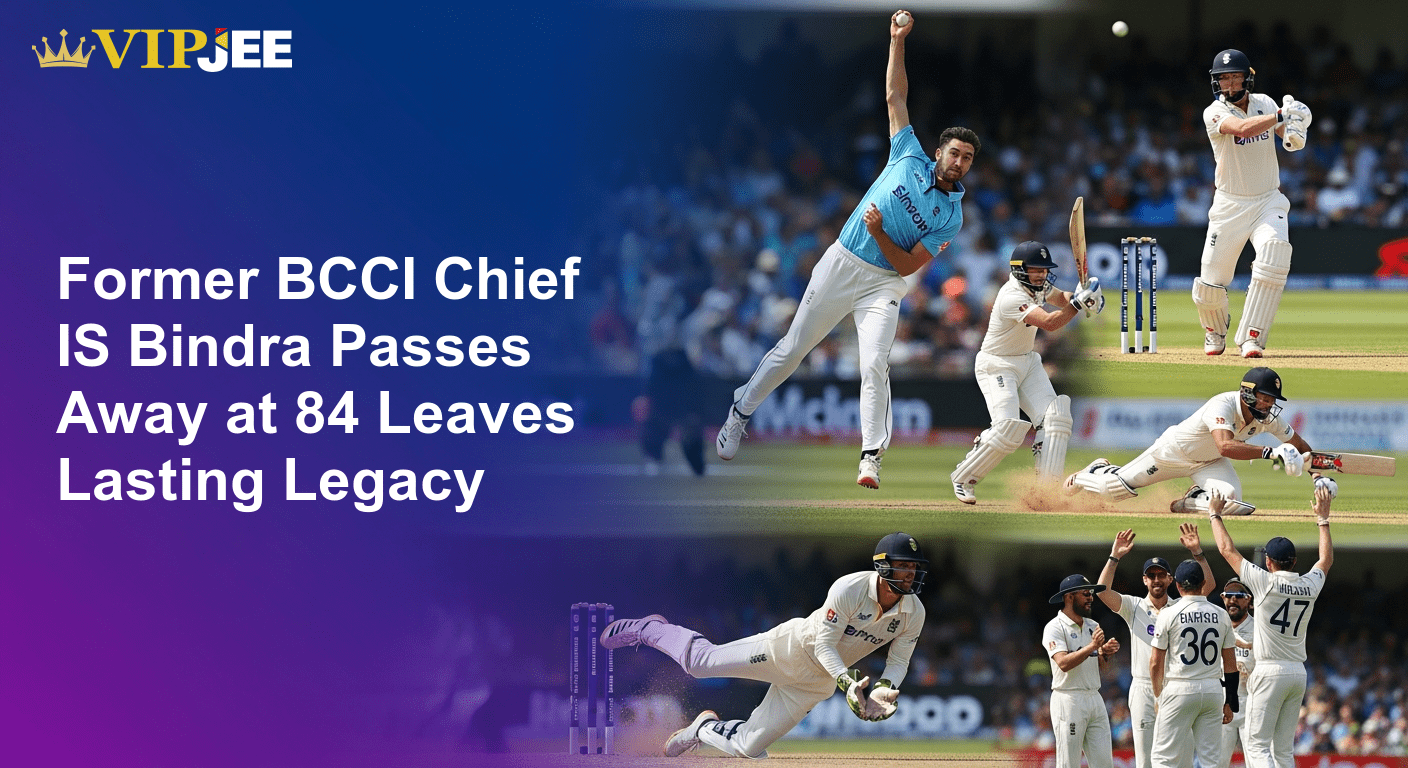
Inderjit Singh Bindra, former president of the Board of Control for Cricket in India (BCCI), passed away at the age of 84 in New Delhi. His leadership not only modernized the administration of cricket in Punjab but also had a lasting impact on international cricket events hosted by India. He served as BCCI president from 1993 to 1996.
Transformative Tenure at PCA and Conventions Redefined

Bindra’s tenure as the head of the Punjab Cricket Association spanned 36 years, during which he was instrumental in elevating the PCA Stadium in Mohali to global renown. The stadium was later named after him. It became a site for marquee matches, such as the 2011 World Cup semi-final between India and Pakistan, witnessed by the Prime Ministers of both countries.
Bindra, along with former BCCI presidents NKP Salve and Jagmohan Dalmiya, played a pivotal role in organising the 1987 World Cup, marking the first time this prestigious event was held outside England. This bold move redefined the geopolitical norms of cricket governance, with Bindra and his contemporaries successfully challenging the dominance of the traditional powerhouses to bring the World Cup to the Indian subcontinent.
Diplomacy and Vision: Advancing Asian Representation
During times of tension between India and Pakistan, Bindra exhibited diplomatic finesse. In 1986, when host nations Australia and England expressed security concerns, Bindra persuaded Pakistan’s then military leader General Zia-ul-Haq to visit India, helping ease the situation. His diplomatic efforts also ensured the co-hosting of the 1996 World Cup by India, Pakistan, and Sri Lanka.
Bindra’s impact extended beyond the BCCI. As Sharad Pawar’s principal advisor at the International Cricket Council, his strategies and decisions influenced global cricket administration.
A Legacy of Change and Controversy
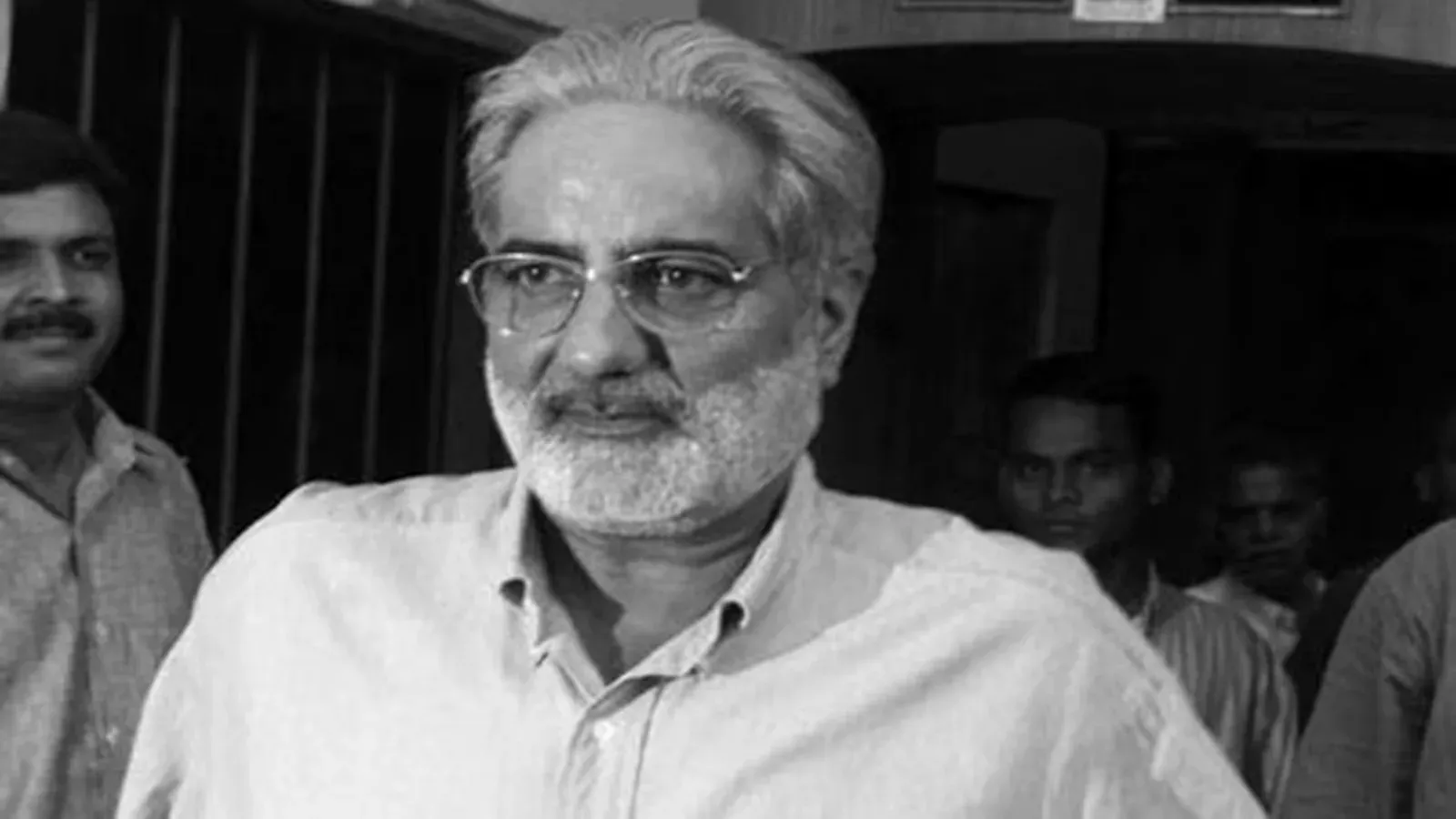
Despite differences, Bindra respected his contemporaries like Dalmiya, acknowledging their joint efforts in breaking cricket’s traditional monopolies. Upon Dalmiya’s passing, Bindra acknowledged that the modern games’ administration owed much to Dalmiya’s initiatives as well.
Bindra retired from cricket administration in 2014. The cricket fraternity mourns the loss of Bindra, whose strategic initiatives and leadership were critical in setting the stage for India’s current cricketing stature.
BCCI vice-president Rajeev Shukla said: “Mr Bindra had a clear understanding of what it would take to make Indian cricket financially strong and sustainable. His focus on sound governance and smarter commercial structures helped lay the foundation for the game’s long-term growth. He set a high benchmark for administrators through a forward-looking approach that continues to benefit the sport.”
Former cricketers paid tribute on social media. Harbhajan Singh said: “On a personal level, he was like a father figure to me. This is a deeply personal loss.” Yuvraj Singh said: “A great administrator whose influence I witnessed from a very young age. His vision and contribution to Indian cricket will always be remembered.”
For more insights into Inderjit Bindra’s life and cricketing legacy, visit ESPNcricinfo.
For cricket and casino news, visit VIPJEE!